Breathe Floral Circular Design: A Designer's Review
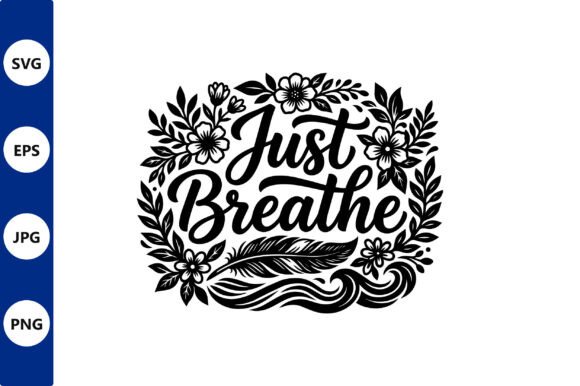
As someone who has spent years stitching, designing, and reviewing embroidery files for everything from boutique apparel to custom gifts, I know that the difference between a good project and a great one often comes down to the design itself. When I first opened Breathe Floral Circular Design, my immediate reaction was one of calm. It is not just a graphic; it feels like an instruction for a slower pace in a chaotic world. The circular black and white vector featuring just breathe script surrounded by flowers, leaves, and waves creates a mood that is instantly recognizable as serene and intentional.
This design belongs to the Illustrations and Graphics category, but its true value lies in how it translates into a physical machine embroidery design. In my experience, digital assets often look perfect on screen but fail under the needle. However, Breathe Floral Circular Design strikes a balance that suggests it will hold up well in real-world applications. The layout is centered and balanced, which is crucial for hoop stability, while the surrounding botanical elements provide a natural frame that guides the eye without overwhelming the central message.
From Screen to Stitch: A Real-World Scenario
Let me walk you through how I envision this design coming to life. Imagine you are preparing a custom embroidered tote bag for a local yoga studio or a small wellness shop. You need something that speaks to mindfulness but doesn't scream "cliché." This is where Breathe Floral Circular Design shines. The circular shape fits perfectly within the standard 4x4 or 5x7 hoop constraints, allowing the flowers and leaves to radiate outward naturally.
Picture the finished product: a sturdy canvas tote with the design stitched in soft sage greens and crisp whites against a dark charcoal background. The script word "breathe" becomes the anchor, inviting anyone carrying the bag to pause. For an Etsy seller or a craft business owner, this is exactly the kind of item that stops a scroll. It looks professional enough to command a higher price point but personal enough to feel handmade. The same logic applies to a baby onesie for a nursery gift or a sweatshirt for a winter holiday collection. The theme of calm inspiration resonates deeply during stressful seasons, making this a versatile asset for seasonal sales.
Performance on Fabric and Form
When evaluating any embroidery file, I always consider the fabric texture and the garment type. Breathe Floral Circular Design relies heavily on contrast, which means it performs best when the thread colors pop against the base material. On smooth fabrics like cotton twill or denim, the satin stitch used for the script and the fill stitches in the floral details should render with excellent clarity. The running stitch elements, if present in the leaf veins, would add a delicate touch that mimics hand-stitching.
However, not all surfaces are created equal. If you plan to use this on a curved surface like a baseball cap, you must be careful. While the circular shape is forgiving, the curvature can distort the lettering if the stabilizer isn't adequate. Similarly, on stretchy knits like jersey t-shirts, the density of the design needs to be checked. Too much stitch density on a stretchy fabric can cause puckering, ruining the clean lines of the circle. For these projects, using a high-quality cut-away stabilizer is non-negotiable to maintain the integrity of the finished product.
I also see this design working beautifully on home decor items. A pillow cover or a kitchen towel allows for a larger hoop size, giving the designer room to let the flowers and waves expand fully. The result is a statement piece that adds value to a boutique product line. Whether it is an embroidered patch for a jacket or a decorative accent on a blanket, the visual appeal remains strong because the composition is so balanced.
Where to Exercise Caution
While I am generally optimistic about this design, there are specific scenarios where Breathe Floral Circular Design requires extra attention. Small hoop sizes are the biggest challenge here. If you attempt to fit the entire circular motif into a tiny 3x3 hoop, the fine details in the petals and the legs of the letters may become indistinguishable after stitching. The design simply needs space to breathe, ironically reinforcing its own message.
Textured fabrics like heavy wool or boucle can hide the definition of the script. If the fabric is too fuzzy, the sharp edges of the vector might get lost. Likewise, thin fabrics such as silk or lightweight linen require very light stabilizers to prevent the design from pulling the material out of shape. Dark fabrics present another hurdle; unless you use a high-density underlay or a contrasting thread color, the black and white aesthetic might lose its impact. Always test your thread colors on scrap fabric first to ensure the contrast meets your standards.
Additionally, products that undergo frequent washing, such as aprons or children's clothing, need to be evaluated for durability. Dense stitch areas can sometimes trap lint or wear down faster than others. If you are selling these items commercially, you want to ensure the design holds up over time to protect your brand reputation and customer trust.
Practical Notes for the Embroidery Designer
Before you commit this design to a production run, there are several technical steps every serious maker should take. First, inspect the small details. Zoom in on the script and the smallest flower petals to ensure they are large enough to be stitched cleanly. If the design is too intricate for your machine's capabilities, you may end up with broken threads or missed stitches.
Check the stitch density carefully. High-density designs look luxurious but can be difficult to hooping and may require multiple layers of stabilizer. Confirm the recommended hoop size in the file instructions before starting. If the design exceeds your machine's hoop, you will need to split the file, which can affect the alignment of the circular pattern. Furthermore, review the thread colors. Since the original is a black and white vector, you have the freedom to choose any palette, but the most effective combinations usually involve a high-contrast pairing.
If you are planning to sell finished items made with this digital embroidery file, confirm the licensing terms immediately. Some licenses allow for commercial use of the finished product, while others restrict the number of units you can sell. As a creative entrepreneur, protecting your business means understanding these rules inside and out. Also, compare light and dark fabric backgrounds in your mockups. A printable mockup can help you visualize the final look before you waste expensive materials.
The Bottom Line for Crafters and Sellers
Breathe Floral Circular Design is more than just a pretty image; it is a functional tool for building a cohesive brand identity. For an Etsy seller or a small shop owner, it offers a way to create personalized gifts that feel thoughtful and curated. The design assets provided here support a wide range of embroidery projects, from simple hobbyist creations to professional commercial embroidery work.
When done right, this design elevates the perceived value of your handmade product. Customers notice the quality of the stitching and the thoughtfulness of the message. They associate the clean lines and calming theme with reliability and care. By taking the time to test the design on various fabrics and adjusting your technique accordingly, you ensure that every custom apparel item or holiday embroidery gift reflects the highest standard of craftsmanship.
In a market saturated with generic graphics, Breathe Floral Circular Design stands out because of its emotional resonance and practical layout. It invites the viewer to slow down, and in the world of handmade goods, that is a powerful connection to make. Whether you are decorating a baby item, creating a unique tote bag design, or expanding your catalog of design assets, this file is a reliable choice that balances aesthetics with technical feasibility. Just remember to respect the limits of your machine and your materials, and you will produce a finished product that brings joy to both the maker and the recipient.