Doorway to Hope Floral Circle Review
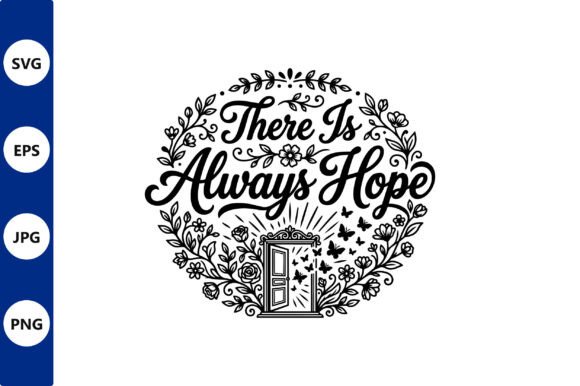
When I first opened the file for Doorway to Hope Floral Circle, my immediate thought wasn't about stitch counts or file formats. It was about the feeling the image evokes. There is a quiet, steady optimism in that open door framed by blooming vines and flowers. As a designer who spends hours staring at digitized files before they ever hit the hoop, I look for more than just technical accuracy; I need to know if a design carries a soul. This black and white vector scene conveys hope and renewal so clearly that it feels like it already has a story attached to it.
I recently decided to test this embroidery project out on a practical scale. I had a client request a custom embroidered tote bag for a local boutique that specializes in wellness gifts. The brief was simple: something uplifting but not cheesy, suitable for daily use, and capable of standing out on a busy craft fair table. Doorway to Hope Floral Circle felt like the perfect candidate. It fits right into the category of Illustrations and Graphics that bridge the gap between digital art and tactile craftsmanship.
The First Stitch: Visual Impact and Mood
The layout of Doorway to Hope Floral Circle is inherently circular, which creates a natural focal point. In embroidery, shapes matter immensely because they dictate how the eye travels across the fabric. The opening door acts as an anchor, drawing the viewer inward, while the surrounding vines provide a sense of movement without overwhelming the center. When I looked at the preview mockups, the contrast between the stark black lines and the white space suggested a clean, modern aesthetic that would translate well to both light and dark fabrics.
This isn't just a generic floral pattern; it has a specific narrative personality. For a small business owner selling handmade products, that narrative is everything. A customer buying a personalized gift wants to feel connected to the message. If you are an Etsy seller looking to create a handmade product line focused on mental health, new beginnings, or home decor, this design speaks directly to that audience. It suggests a journey, a transition, or a fresh start, making it highly giftable for baby showers, housewarmings, or recovery milestones.
Real-World Application: From Tote to Nursery
In my experience testing various machine embroidery designs, some concepts look great on screen but fail when stitched. Fortunately, the structure of Doorway to Hope Floral Circle holds up well under scrutiny. The circular composition works beautifully on curved surfaces like caps or hats, where the round shape naturally follows the curve of the head. However, its versatility extends far beyond headwear.
I envision this design thriving on a sturdy canvas tote bag. The heavy fabric provides enough stability to handle the density of the fill stitches required for the vines. Imagine a cream-colored tote with the door rendered in deep charcoal thread, surrounded by soft sage green leaves. The result would be a sophisticated tote bag design that looks professional and polished. It also translates exceptionally well to kitchen textiles. On a linen tea towel, the black and white theme offers a timeless elegance that complements any kitchen decor, turning a simple utility item into a piece of art.
For those of us creating baby embroidery items, the "renewal" theme is particularly poignant. Stamped onto a onesie or a nursery pillow cover, the open door symbolizes the beginning of life's journey. The detail level here is high enough to look premium but not so complex that it becomes fiddly during production. It strikes a balance that is crucial for commercial embroidery projects where efficiency matters just as much as aesthetics.
Where to Exercise Caution
While this design is robust, no single embroidery file is a magic bullet for every situation. There are specific scenarios where Doorway to Hope Floral Circle requires careful consideration. First, let's talk about size. The intricate details of the vines and the door frame mean that shrinking this down to fit a tiny 2-inch hoop might result in a muddy mess. The fine lines could merge together, losing the definition that makes the design so appealing.
Textured fabrics present another challenge. If you attempt to stitch this on a rough boucle wool or a heavily napped fleece, the stabilizer may not hold the tension correctly, causing the detailed corners of the door to pucker. Similarly, stretchy fabrics like standard jersey t-shirts require a very stable backing and perhaps a temporary spray adhesive to prevent the fabric from distorting as the needle punches through. The design itself doesn't have built-in stretch compensation, so your technique must compensate.
Dense stitch areas are common in floral designs, and Doorway to Hope Floral Circle is no exception. The vines likely contain significant fill stitches. If you are using low-quality thread or running the machine too fast, you risk breaking needles or creating excessive heat that can damage the fabric. Furthermore, if you plan to wash these items frequently, such as on work aprons or children's clothing, ensure the stitch density is sufficient to withstand friction. Thinner fabrics might tear if the stitching is too aggressive.
Technical Notes for the Savvy Designer
Before you commit this design to a full run of commercial embroidery products, there are several practical steps you must take. Always test the design on scrap fabric first. This allows you to check thread color contrast and see how the stitch density interacts with your specific material. I recommend creating a few variations: one with all black thread for a bold graphic look, and another with multi-color threads to highlight the botanical elements.
Reviewing the hoop size is critical. Ensure your hoop accommodates the entire circle without cutting off the outer vines, which would ruin the symmetry. If you are working with a smaller hoop, consider splitting the design or adjusting the placement. Also, inspect the small details closely. The edges of the door and the delicate tips of the leaves need to be sharp. If the digitization is slightly off, these areas will blur. Use proper stabilizer appropriate for the weight of your fabric; a cut-away stabilizer is often best for maintaining the integrity of detailed designs on woven fabrics.
If you are planning to sell finished items made with this design, double-check the licensing terms. Some digital graphics come with restrictions on how many units you can produce or whether you can resell the digital file itself. Confirming these details protects your craft business and ensures you aren't inadvertently infringing on rights. Additionally, compare light and dark fabric backgrounds in your mockups. The black and white nature of the original vector means it relies heavily on thread choice to pop against the background.
Final Verdict on Design Value
Doorway to Hope Floral Circle is more than just a pretty picture; it is a versatile asset for any creative entrepreneur. Its ability to convey a strong emotional message through a clean, geometric floral arrangement makes it a standout choice for personalized gifts and small shop products. Whether you are decorating a sweatshirt for a holiday event or creating a boutique branding element, this design adds a layer of professionalism and thoughtfulness that customers appreciate.
It excels in projects where visual appeal and storytelling go hand in hand. The design elevates the perceived value of the finished product, making buyers feel they are investing in something meaningful rather than just mass-produced merchandise. By understanding its strengths and respecting its limitations regarding fabric and size, you can integrate this digital embroidery file into your workflow with confidence. It is a reliable partner for your next embroidery project, ready to help you create something beautiful and enduring.