Floral Wreath Inner Peace Line Art Review
As someone who has spent years reviewing embroidery files for both personal studio work and client commissions, I have learned that the most beautiful digital vector does not always translate into a successful stitched piece. The transition from screen to fabric is where many designs fail, often due to poor stitch density or details that are too fine for the intended hoop size. Today, I am evaluating Floral Wreath Inner Peace Line Art, a monochrome vector that promises calm and balance through elegant script and line work. My goal is to determine if this design is ready for real-world application in custom apparel, boutique merchandise, or handmade gifts.
First Impressions: Mood and Visual Personality
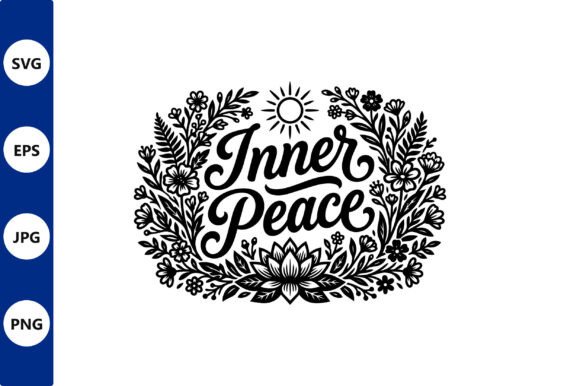
The immediate feeling of Floral Wreath Inner Peace Line Art is one of serenity. The layout features a classic wreath structure surrounding the phrase "inner peace" in a flowing script. This is not a bold, blocky design meant to grab attention with volume; instead, it relies on negative space and delicate lines to convey its message. For an embroidery designer, this distinction is crucial. A design with this level of detail requires careful consideration of how the stitches will interact with the fabric texture.
The theme fits perfectly into categories like nursery decor, wedding gifts, or meditation spaces. Visually, it suggests a product that is understated yet meaningful. When I look at the composition, I see potential for high-end handmade products where the focus is on quality and sentiment rather than loud graphics. However, the reliance on thin lines means that the success of the final finished product will depend entirely on the precision of the digitizing and the stability of the fabric being used.
Real-World Application: From Digital File to Tote Bag
To truly understand the utility of this design, I imagine a specific scenario: preparing a batch of custom embroidered tote bags for a local craft fair. The client wants a subtle, spiritual message for their yoga retreat attendees. In this context, Floral Wreath Inner Peace Line Art seems like an ideal candidate. The monochrome nature allows it to stand out beautifully against natural canvas colors without clashing with other elements of the bag's branding.
When applied to a tote bag design, the running stitches that likely make up the floral outlines would create a soft, hand-drawn aesthetic. The script text needs to be legible, which is a common challenge in machine embroidery design. If the lettering is too thin, the threads might pull together, causing the words to blur. However, if executed correctly, the result would be a sophisticated small shop product that customers would proudly display. It transforms a simple canvas bag into a personalized gift that carries emotional weight.
This same design could also excel on a sweatshirt embroidery project. Imagine a cozy, oversized hoodie in heather gray. Placing the wreath on the chest creates a quiet statement piece. Unlike heavy fill stitches that can make a garment stiff, the line art approach keeps the fabric flexible and comfortable. It appeals to the creative entrepreneur looking to build a brand around wellness and mindfulness. The design acts as a visual anchor, suggesting that the wearer values balance and tranquility.
Where to Use Carefully: Technical Limitations
While the aesthetic appeal is strong, there are specific situations where Floral Wreath Inner Peace Line Art might struggle. One of the primary concerns is the hoop size. If you attempt to stitch this on a small item like a baseball cap or a tiny baby onesie, the intricate corners of the floral wreath may get lost. The curves of the flowers need enough room to breathe so that the thread doesn't bunch up in tight angles.
Another critical factor is the stitch density. If the digitizer has packed the lines too tightly, the fabric might pucker, especially on stretchy materials like jersey knit. This is a common pitfall when converting graphics to embroidery files. You must ensure that the design uses appropriate running stitch techniques for the outlines to maintain clarity. Additionally, testing on textured fabrics is essential. On a rough linen or a thick terry cloth towel, the fine details of the script might disappear into the weave.
I would also advise caution when using this design for commercial embroidery on dark fabrics without proper underlay planning. The monochrome vector implies a single color scheme, but achieving contrast on black cotton requires a solid strategy. Furthermore, items that require frequent washing, such as kitchen towels or aprons, should be tested for durability. Delicate line art can sometimes fray or lose definition over time if the stabilizer was not chosen correctly during the initial setup.
Impact on Brand and Customer Trust
In the world of Etsy sellers and digital product sellers, the quality of the embroidery directly impacts customer trust. A sloppy execution of a delicate design like this can make a brand look amateurish. Conversely, a clean, precise stitch job elevates the perceived value of the item. When a customer receives a personalized gift featuring Floral Wreath Inner Peace Line Art, they are buying into the feeling of calm the design represents. If the stitching is muddy or the letters are hard to read, that emotional connection is broken.
This design supports brand consistency well because of its versatile, minimalist style. It works seamlessly for holiday embroidery projects, such as Christmas stockings or New Year's resolutions, adding a touch of elegance that mass-produced items lack. It signals to the buyer that the maker cares about the details. For apparel decorators, this file offers a way to offer premium customization options without overwhelming the garment with bulk.
Practical Designer Notes for Execution
Before committing to a full production run, I strongly recommend running a series of tests. Start by checking the thread colors. Even though the source is a monochrome vector, you will need to select the right thread weights to match the intended look. Lighter threads might not show up well on light backgrounds, while darker threads could overwhelm the delicate lines.
Always review the stitch density settings in your software. If the design feels too dense, reduce the tension slightly or adjust the underlay to prevent puckering. Confirm the hoop size matches your target product dimensions. For instance, do not use a 4x4 inch hoop for a large wreath design that requires more width. Inspect the small details of the script closely; if any letters look like blobs in the preview, they will likely stitch poorly in reality.
It is also wise to test the design in black and white mockups first to ensure the contrast holds up before cutting expensive fabric. Compare how it looks on both light and dark fabric backgrounds to decide on the best thread choice. Using the proper stabilizer is non-negotiable for this type of line art; a cut-away stabilizer is often better for maintaining the shape of the wreath on garments like pillow covers or blankets.
Finally, verify the licensing terms if you plan to sell finished items. Ensure you have the rights to use this embroidery file for commercial projects and that you are not violating any restrictions on design assets. By taking these practical steps, you can transform a simple digital vector into a professional, marketable asset that resonates with buyers seeking genuine craftsmanship.